What is Bookkeeping html5-dom-document-internal-entity1-amp-end why it is important? Methods of Bookkeeping

bookkeeping

Consider exploring FinOptimal’s managed accounting services for expert assistance. Regularly checking your cash flow—the money coming in and out—is essential. Understanding your runway (how long your cash will last) and your net profit margin (profit per dollar of revenue) are key metrics. Analyzing customer and vendor data from your financial records provides valuable insights for informed decision-making. For example, identifying slow-paying customers allows you to adjust your invoicing strategy or payment terms.

bookkeeping

Ledgers

  • Assets are on the left side of the accounting equation.Asset account balances should be on the left side of the accounts.
  • The double entry system provides checks and balances by recording corresponding credit entry for each debit entry.
  • They emphasize the importance of precise financial records for demonstrating your company’s financial stability and potential for growth.
  • The chart usually occurs in the same order of accounts as the transcribed records.

Finally, you’ll want to decide how all receipts and documents will be stored. You can either keep hard copies or opt for electronic files by scanning paperwork. While any competent employee can handle bookkeeping, accounting is typically handled by a licensed professional.

bookkeeping

Understanding Assets, Liabilities, and Equity When Balancing the Books

  • Unlike the journal, ledgers are investigated by auditors, so they must always be balanced at the end of the fiscal year.
  • A ledger contains a chart of accounts, which is a list of all the names and number of accounts in the ledger.
  • The balance sheet is also referred to as the Statement of Financial Position.
  • Her work has been featured on US News and World Report, Business.com and Fit Small Business.
  • A company’s liability accounts appear in the chart of accounts, general ledger, and balance sheet immediately following the asset accounts.

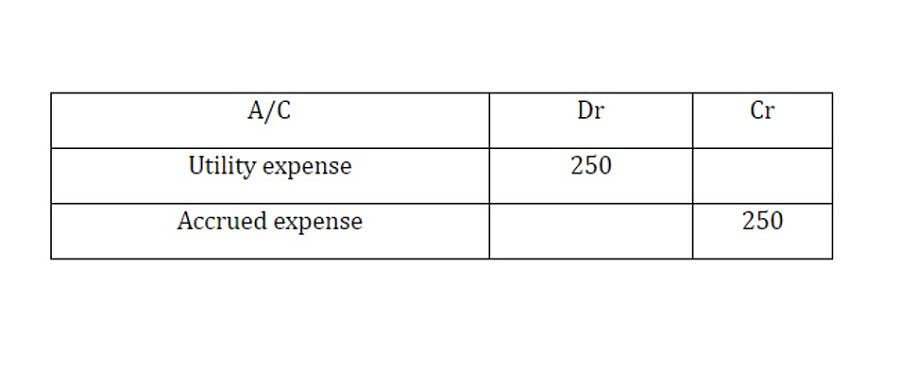
It may also include investments in the common or preferred stock of another corporation if the stock can be easily sold on a stock exchange. The chart of accounts allows you to find the name of an account, its account number, and perhaps a brief description. It is important to expand and/or alter the chart of accounts to accommodate the changes to an organization and when there is a need for improved reporting of information. To illustrate, let’s assume that Servco uses a temporary help agency at a cost of $200 in order to assist in earning revenues on December 27. The invoice from the temp agency is received on December 27, but it will not be paid until January 4.

What is the purpose of bookkeeping?

Plus, having organized financial records makes tax season significantly less stressful. If you’re looking to attract investors, well-maintained books demonstrate financial stability and transparency, making your startup Accounting For Architects more appealing. For expert assistance with managing your finances, explore FinOptimal’s managed accounting services. One of the main financial statements (along with the balance sheet, the statement of cash flows, and the statement of stockholders’ equity). The income statement is also referred to as the profit and loss statement, P&L, statement of income, and the statement of operations.

The reason is that only the amount that has been earned can be included in December’s revenues. The amount that is not earned as of December 31 must be reported as a liability on the December 31 balance sheet. Under the accrual method of accounting, the financial statements of a business must report all of the expenses (and related payables) that it has incurred during an accounting period. For example, a business needs to report an expense that has occurred even if a supplier’s invoice has not yet been received. The two key accounting systems are cash accounting and accrual accounting.

bookkeeping

Double-entry bookkeeping

This explains why the income statement accounts are referred to as temporary accounts. Accrued Expenses/LiabilitiesUnder the accrual method, the amounts in this account are owed but have not yet been recorded in Accounts Payable. This account could include the vendor invoices awaiting processing, employee wages and benefits earned but not yet recorded, and other expenses incurred but not yet recorded.

  • For example, you may have estimated certain invoices that are later solidified with an actual number.
  • There’s good news for business owners who want to simplify doing their books.
  • Whatever you decide, remember that you need to maintain adequate records of business transactions.
  • Accurate bookkeeping isn’t just for internal use; it’s crucial for meeting tax obligations and potential audits.
  • Other elements are completed at certain time periods as necessary to complete a business task.

Accounting ledger

bookkeeping

It may include investments in the common stock, preferred stock, and bonds of another corporation. It also includes real estate being held for sale and also the money that is restricted for a long-term purpose such as a building project or the repurchase of bonds payable. The cash surrender value of a life insurance policy owned by a company is also reported under this asset heading. The company’s transactions were written in the journals in date order. Later, the amounts in the journals would be posted to the designated accounts located in the general ledger. Examples of accounts include Sales, Rent Expense, Wages Expense, Cash, Loans Payable, etc.

Small Business Bookkeeping 2025 Guide

bookkeeping

Liabilities also include amounts received in advance for a future sale or for a future service to be performed. The following are brief descriptions of the classifications usually found on a company’s balance sheet. To illustrate, let’s assume that a new company pays $6,000 on December 27 for the insurance on its vehicles for the six-month period beginning January 1. For December 27 through 31, the company should have an asset Prepaid Insurance or Prepaid Expenses of $6,000. Operating expenses are the expenses incurred in earning operating revenues.

bookkeeping

If you’re ready to explore how automating your bookkeeping can transform your business, check out FinOptimal’s automation solutions. This financial statement reports the amounts of assets, liabilities, and net assets as of a specified date. This financial statement is similar to the balance sheet issued by a company. Cash and other resources that are expected to turn to cash or to be used up within one year of the balance sheet date. Insurance Expense, Wages Expense, Advertising Expense, Interest Expense are expenses matched with the period of time in the heading of the income statement.

Guide Business Strategy with Financial Data

Bank reconciliation is the process of finding congruence between the transactions in your bank account and the transactions in your bookkeeping records. Reconciling your bank accounts is an imperative step in bookkeeping because, after everything else is logged, it is the last step to finding discrepancies in your books. Bank reconciliation helps you ensure that there is nothing amiss when it comes to your money. It is a financial report that tracks incoming and outgoing cash in your business.

The closing process

On the bank reconciliation a deposit in transit is an adjustment (an addition) to the balance per bank. The process of comparing the amounts in the Cash account in the general ledger Certified Bookkeeper to the amounts appearing on the bank statement. The objective is to be certain that there is consistency between the amounts and that the company’s amounts are accurate and complete.

A current asset which indicates the cost of the insurance contract (premiums) that have been paid in advance. It represents the amount that has been paid but has not yet expired as of the balance sheet date. A balance sheet heading or grouping that includes both cash and those marketable assets that are very close to their maturity dates. This account balance or this calculated amount will be matched with the sales amount on the income statement. A listing of the accounts in the general ledger along with each account’s balance in the appropriate debit or credit column. The total of the amounts in the debit column should equal the total of the amounts in the credit column.

bookkeeping

Why adjusting entries are needed

Obviously, the accrual method does a better job of reporting what occurred on December 27, the date that Servco actually provided the services and incurred the expense. Whether you’re starting out or looking to expand your skills, Sundance College’s Accounting, Tax, and Payroll Diploma provides a strong foundation in bookkeeping, payroll, and tax preparation. In smaller businesses, bookkeepers may prepare tax returns, calculate payroll, or analyze spending patterns to support operations.

bookkeeping

One of the best things you can do to ensure your books balance properly is to follow the three golden bookkeeping rules. Accounts receivable (AR) is the money your customers owe you for products or services they bought but have not yet paid for. It’s important to track your AR to ensure you receive payment from your customers on time. Thus, it becomes important for businesses, small or big to have bookkeeping in place. Stay on top of your financial health with solid bookkeeping practices and the right tools.

If that is the case, an accrual-type adjusting entry must be made in order for the financial statements to report the revenues and the related receivables. A business entity can create more comprehensive bookkeeping system when it includes accounts for each area of financial transactions. Financial accounts are grouped or categorized based on the nature of accounts or impact on the financial statements. This usually includes balance sheet accounts and income statement accounts. It is the place where a business chronologically records its transactions for the first time. A journal can be either physical (in the form of a book or diary), or digital (stored as spreadsheets, or data in accounting software).

This method is the best way to keep track of asset and liability accounts. The advantage of a double-entry accounting system is that it ensures accuracy. There’s good news for business owners who want to simplify doing their books.

  • Many of the operations are automated in the software, making it easy to get accurate debits and credits entered.
  • If the net realizable value of the inventory is less than the actual cost of the inventory, it is often necessary to reduce the inventory amount.
  • Regularly assess your business expenses to find areas where you can cut costs — such as products or services you no longer use.
  • Plant assets (other than land) will be depreciated over their useful lives.
  • While they seem similar at first glance, bookkeeping and accounting are two very different mediums.

Cash registers also store transaction receipts, so you can easily record them in your sales journal. Both a cash and accrual basis can work with single- or double-entry bookkeeping. In general however, the single-entry method is the foundation for cash-based bookkeeping. Transactions are recorded as single entries which are either cash coming in or going out.

bookkeeping

Small Business Bookkeeping (2025 Guide)

  • Both a cash and accrual basis can work with single- or double-entry bookkeeping.
  • To uncover errors, check whether you forgot to record an entry in either column of your accounting ledger.
  • In these documents, transactions are recorded as a single entry rather than two separate entries.
  • If you are going to offer your customers credit or if you are going to request credit from your suppliers, then you have to use an accrual accounting system.
  • Because bookkeeping is based on double-entry accounting, each transaction affects two accounts — one gets debited and the other is credited.

If you’re considering this route, check with other business owners for recommendations on the services they use. Whether you are an independent contractor or a multinational corporation, bookkeeping is important to you. These bookkeeping tips and best practices will help your business improve its financial recordkeeping. Even if you aren’t planning on growing any time soon, you need to have a sense of how much money is coming in versus what is going out. On top of that, you need the data used in bookkeeping to file your taxes accurately. Revenue is all the income a business receives in selling its products or services.

Balance Sheet Accounts

Choosing the right accounting method from the beginning is a strategic decision that impacts investor bookkeeping and payroll services relations and potential exit strategies. Consider exploring FinOptimal’s managed accounting services to help you adapt to these evolving needs. Under the accrual method of accounting, a business is to report all of the revenues (and related receivables) that it has earned during an accounting period. A business may have earned fees from having provided services to clients, but the accounting records do not yet contain the revenues or the receivables.

The Best Accounting Software for Small Businesses in 2025

best bookkeeping software for sole proprietor

Addressing these areas proactively can save you time, money, and stress in the long run. While you can handle basic accounting tasks in the early stages of your startup, bringing in professional accounting expertise can be invaluable. Experienced accountants bring a bookkeeping wealth of knowledge in financial management, tax laws, and compliance. They can also provide strategic financial planning that helps your business grow.

best bookkeeping software for sole proprietor

Accounting software honorable mentions

Here are our picks for the best accounting software for the self-employed, plus how to decide which package is right for you. With plans starting at $15 a month, FreshBooks is well-suited for freelancers, solopreneurs, and small-business owners alike. FreshBooks’ fantastic invoices are easy to customize to your business, and its automated recurring invoices and late payment reminders help you get paid quickly and easily. Its $15 a month starting price is a bit higher than average, but if your business relies largely on invoices to get paid, Legal E-Billing give FreshBooks a hard look anyway.

  • Once you identify your specific needs, you can narrow down your options and choose the accounting software that’s ideal for you.
  • A form would then appear on the same screen, enabling me to promptly add the required details, such as a service item for sale or a customer.
  • Each plan also includes time tracking for easier, more accurate client billing.
  • It provides essential tools to help them earn more with freedom while managing their accounting needs efficiently.
  • There are five plans you can opt for, although the Self plan is the most suitable for self-employed individuals who are operating with a tight budget.

FreshBooks Review

These are typically a small percentage of each transaction plus a tiny flat fee. For example, a processor may charge you 2.9 percent plus 30 cents per transaction. That said, if selling products rather than offering services is key to your self-employment, perhaps you’ve already implemented credit card processing. You can use this setup instead of your accounting software to receive payments.

How Do Accounting Apps Handle Completed Transactions?

best bookkeeping software for sole proprietor

Wave Accounting is one of the most fully featured free accounting software options for small businesses. Its user-friendly dashboard, low learning curve, and easy expense tracking make it ideal for freelancers and small-business owners who don’t mind finding another app to manage inventory. It’s also a lot more comprehensive than most sole trader accounting other free cloud-accounting software options. QuickBooks Solopreneur, which costs $20 per month, is a new option that continues in the footsteps of the depreciated QuickBooks Self-Employed.

  • It starts at $15 a month and includes access to limited reports, plus freelance-specific features like mileage tracking and easy syncing with TurboTax.
  • If you have inventory, payroll, or need advanced job costing, you’ll need to look elsewhere for accounting software, or plan to learn an integrated app, too.
  • You can create simple customer and vendor records and track 1099 payments so you can issue 1099-NECs and 1099-MISCs at tax time.
  • Beyond its core accounting capabilities, Xero offers an elevated experience for its record-keeping features.
  • With these considerations in mind, you’re sure to find the right accounting software for your business needs.
  • Most notably, its cheapest plan doesn’t include double-entry bookkeeping or free accountant access.
  • Consider these when looking for the best accounting software for self-employed professionals.
  • Its starting price without any additional team members is $13.60, which is slightly less expensive than Zoho Books and on par with Xero.
  • However, it can scale up to handle multi-location inventory tracking, enhanced analytics, and revenue recognition needs.
  • ZipBooks’ paid plan starts at $15 a month and offers better bookkeeping and automation features than its free accounting plan.

Although each vendor offers more expensive plans, these include features designed for full-on businesses. Self-employed users, though, generally only need what’s in a vendor’s lowest-priced package. To help you decide which accounting platform might best serve you as a sole proprietor, we tested several dozen leading services. Among these, we chose the five that we felt best met self-employed and freelance needs. We focused on basic tools such as automated bookkeeping as well as sole proprietor-specific tools including quarterly estimated tax calculation, filing and payment.

best bookkeeping software for sole proprietor